Ride, Explore, Return: Family Adventures by Train and Bike
Set out on joyful days that begin on a friendly station platform and roll into gentle, traffic‑free miles where even the youngest riders can lead. We’re focusing on family‑friendly rail‑accessible cycling loops with traffic‑free paths, offering practical planning steps, packing wisdom, safety guidance, playful motivation tricks, and welcoming sample routes. Expect real stories, honest tips, and ideas that help every rider finish smiling, then glide back onto the train with tired legs, full hearts, and promises to return soon.

Choosing the Right Station and Schedule
Look for stations with elevators, clear signage, and level access to avoid wrestling bikes on stairs. Off‑peak departures offer calmer platforms and more space for families to board together. Scan station maps for restrooms, hydration points, and nearby rentals. Check return frequency, leaving backup trains as safety nets. When in doubt, shorten the ride rather than the smiles, and remember that well‑timed snacks often matter more than perfect mileage, scenery, or heroic ambitions.

Drawing the Circle: Surfaces, Gradients, and Green Corridors

Design your loop to feel like a story that flows, not a test that drags. Favor rail‑trails, canal paths, park spurs, and signed greenways with gentle gradients. Note surface changes so little wheels avoid deep gravel or rutted mud. Seek stretches with benches, viewpoints, and wide shoulders for wobble room. Include bridges and tunnels because kids adore echoes and dramatic reveals. Close the circle neatly back at the station, reducing end‑of‑day navigational stress for everyone.

Reservations, Carriages, and Operator Policies Made Friendly

Policies vary widely, so confirm specifics before buying tickets. Some trains require reservations for full‑size bikes; others allow first‑come spaces or restrict certain times. Identify the designated cycle carriage and memorize carriage symbols. Screenshot confirmations and highlight carriage letters to reduce platform confusion. If a train is crowded, ask staff for guidance instead of squeezing awkwardly. Flexibility, patience, and a smile go far, especially when crews see you have a clear, considerate boarding plan prepared.

Fold, Rent, or Roll: Flexible Options Near Platforms

When full‑size spaces are limited, consider folding bikes, child seats on compact frames, or renting near the destination station. Many hubs host lockers, hire shops, or e‑bikes that make longer loops accessible to mixed abilities. Check trailer rules in advance, since not all services permit them. If you split modes, designate a meeting point just outside the station. Flexibility keeps the day moving, preserves energy for fun, and prevents last‑minute disappointments from derailing enthusiastic young riders early.

Boarding Choreography and Platform Safety with Kids

Assign clear roles before the train arrives. One adult wrangles tickets and kids; another manages bikes and loading order. Teach children to stand behind the tactile line, watch for gap warnings, and keep fingers away from doors. Point out carriage letters together and approach confidently when doors open. Lift carefully, secure bikes calmly, and create a small family bubble that avoids blocking aisles. Praise teamwork immediately afterward so kids connect good safety habits with proud, memorable independence.

Safe and Serene Riding on Traffic‑Free Paths
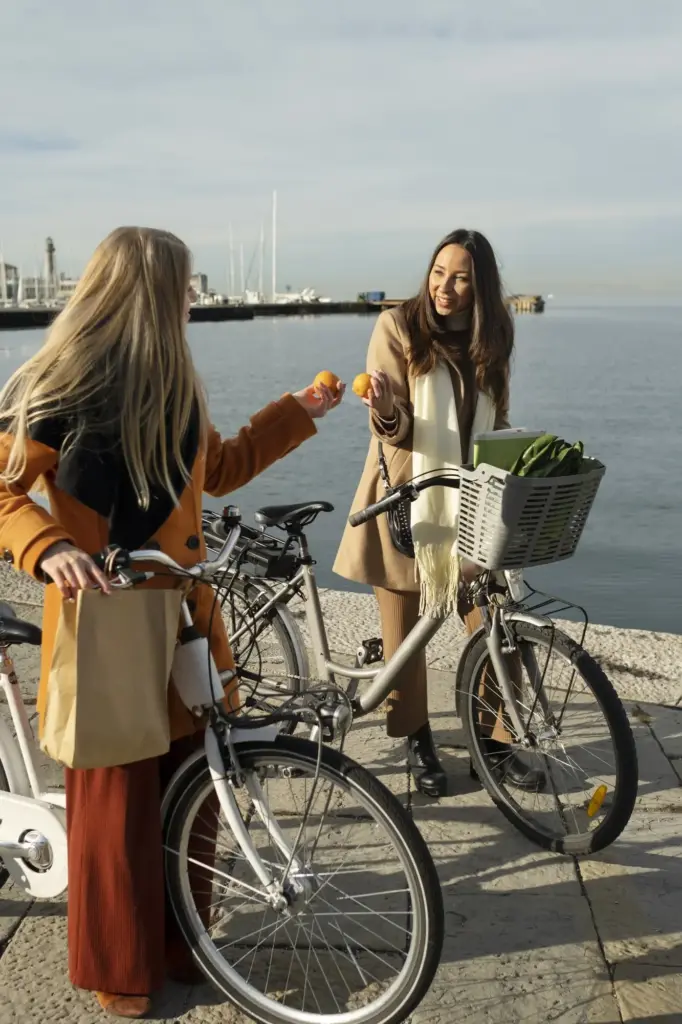
Traffic‑free routes offer room to breathe, but shared spaces still deserve care. Equip bells, lights, and reflective touches even by day. Coach kids on steady lines, gentle overtakes, and calling out “Passing on your left” with friendly clarity. Expect dogs, strollers, runners, and occasional maintenance vehicles. Pack layers for shade, sudden breezes, or cooling tunnels. Establish meeting points and keep emergency contacts handy. Safety grows from predictable behavior, calm communication, and celebrating considerate riding just as much as distance covered.

Motivation Stops: Playgrounds, Treats, and Curiosity

Energy dips are normal, especially after tunnels, big bridges, or sunny stretches. Plan joyful pauses at playgrounds, ice‑cream windows, duck ponds, murals, and riverside lawns. Use scavenger lists—blue doors, ironwork, herons—to keep eyes bright between milestones. Read a short story on a shady bench. Share postcards for kids to decorate during longer rests. Small rituals turn ordinary stops into celebrations, anchoring patience, and reminding everyone that exploration, not speed, defines success on family cycling days together.

Sample Rail‑Linked Loops to Spark Your Next Outing

Use these ideas as starting points and verify local details before riding. Policies, surfaces, and signage change, so check operator websites and current maps. In the United Kingdom, the Bath Two Tunnels circuit connects easily from Bath Spa or Oldfield Park, offering long, cool echoes and wide paths. In the Netherlands, Utrecht Centraal leads smoothly toward Amelisweerd’s leafy tracks. In Berlin, S‑Bahn Wannsee unlocks lakeside paths. In New York State, Metro‑North access meets river greenways and historic aqueduct corridors.

Pack Light, Fix Fast, and Keep Spirits High

Preparation prevents meltdowns and magnifies joy. Use color‑coded pouches for tools, snacks, layers, and first aid, so helpers grab what’s needed instantly. Teach two quick repairs—puncture and slipped chain—before the big day. Keep a smile kit with lightweight games, bubble wands, and tiny stickers for low‑energy moments. Share the load, circulate leadership, and narrate progress in hopeful tones. When families arrive organized yet flexible, minor hiccups become funny stories instead of momentum‑draining drama at inconvenient moments.

Share Your Loop and Help Other Families Ride

Your experience can unlock adventures for someone else. Post a short ride report with station names, carriage tips, surfaces, playgrounds, and reliable cafés. Add GPX links and honest notes about gradients, crowds, or temporary closures. Invite questions, welcome new riders, and celebrate first attempts as loudly as personal bests. Subscribe for fresh route ideas, reply with your favorite motivation game, and tag photos so others find traffic‑free joy more easily. Together, we grow kinder paths and stronger, smiling communities.

What to Include in a Helpful Ride Report

Share start and finish stations, train operator, carriage location, and any reservation quirks. Describe surfaces, shade, water stops, toilets, playgrounds, and picnic lawns. Note detours, tricky gates, or narrow bridges. Upload maps and a GPX file if possible. Include estimated times for families traveling conversationally. Photograph signposts that clarified decisions. Friendly, precise details empower nervous riders, reduce uncertainty, and transform a hopeful plan into a confident departure filled with laughter, discovery, and low‑stress, traffic‑free exploration near welcoming rail lines.

Join Conversations, Ask Questions, Offer Encouragement

Comment kindly on others’ plans, sharing one practical tip and one cheerful memory. Ask clarifying questions rather than prescribing. Welcome small loops as proudly as epic days. Link official policies when rules confuse someone. Congratulate first train‑boarding successes and creative snack strategies. When communities amplify supportive voices, more families venture out, operators notice growing demand, and resources improve. Encouragement is free, portable, and wonderfully contagious, especially when delivered alongside photos of beaming riders posing under station clocks afterward.